

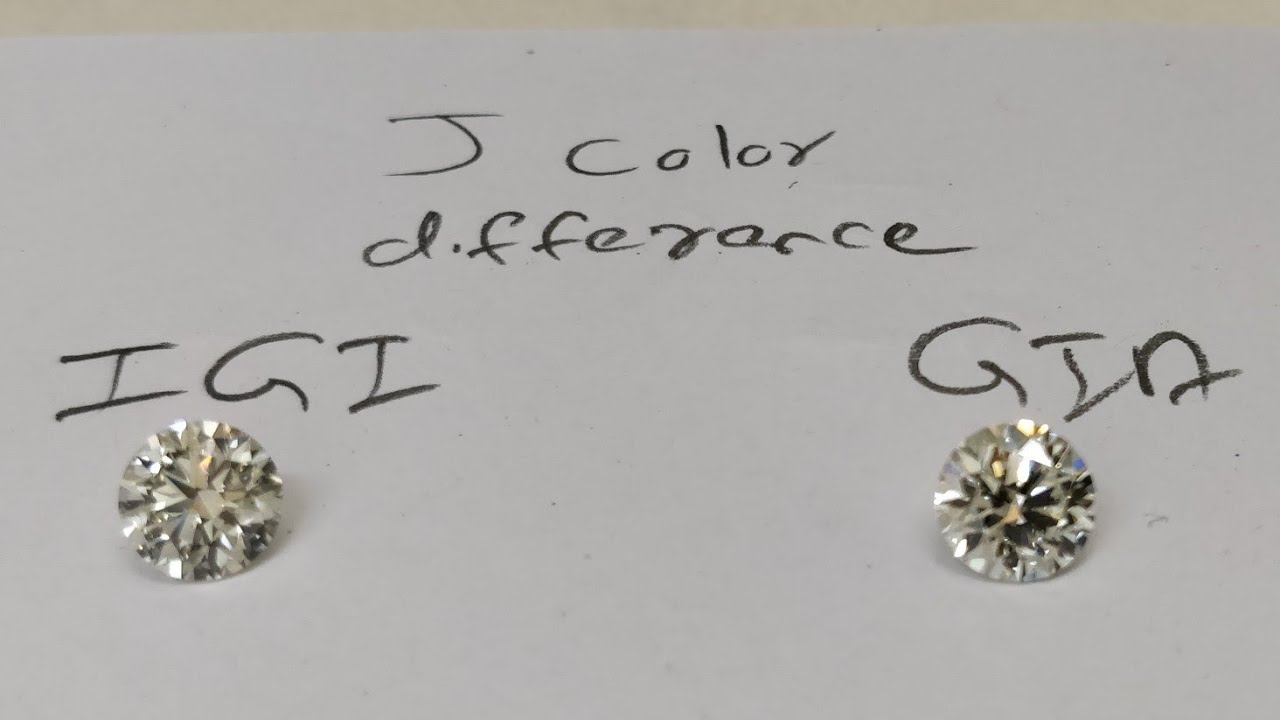
When shopping for ethically sourced and budget-friendly gems, understanding GIA vs IGI certification becomes crucial—especially when dealing with lab grown diamonds. These lab-created stones have become a top choice for conscious consumers, but not all certifications are created equal. In this guide, we’ll explore the differences between the Gemological Institute of America (GIA) and the International Gemological Institute (IGI) so you can confidently choose the right diamond with the right certification.
Table of Contents
Why Certification Matters in the Lab Grown Diamond Industry
A diamond’s certification is its passport—a verified report outlining the gem’s quality according to the globally recognized 4Cs: cut, color, clarity, and carat. While lab grown diamonds and natural diamonds may be physically and chemically identical, how they’re graded can vary depending on the certifying authority.
Two of the most recognized labs in the world—GIA and IGI—have both entered the lab-grown diamond space, but with varying standards, terminology, and transparency levels.
An Introduction to GIA and IGI
GIA (Gemological Institute of America)
-
Founded in 1931, the GIA is the world’s most respected and rigorous gem grading institution.
-
Credited with creating the 4Cs grading system still used universally today.
-
Historically more focused on natural diamonds but now also grades lab grown diamonds with separate documentation.
IGI (International Gemological Institute)
-
Established in 1975, IGI is widely known for its accessibility and affordability.
-
Was one of the first major labs to offer full certification services for lab grown diamonds.
-
Often used by many commercial diamond retailers due to faster turnaround and lower costs.
Key Differences: GIA vs IGI
1. Grading Consistency
-
GIA is known for conservative grading. That means a GIA-graded diamond may have slightly lower ratings for color or clarity than the same diamond graded by IGI.
-
IGI tends to be slightly more lenient. Retailers sometimes prefer IGI because it can result in a more appealing (and marketable) grade.
Verdict: GIA wins for precision and consistency. IGI wins for accessibility and consumer-friendliness.
2. Lab Grown Diamond Reports
-
GIA began offering full grading reports for lab grown diamonds in 2020, including clear labeling and the same grading standards as natural diamonds.
-
IGI has been grading lab-created diamonds since the beginning and is widely adopted in this market.
Verdict: IGI has more history in this space, but GIA’s entry gave the sector added credibility.
3. Report Terminology
-
GIA uses clear wording to distinguish between lab-grown and natural diamonds, stating “laboratory-grown” prominently on reports.
-
IGI also specifies the origin but has historically used various terms like “lab created” or “man-made,” which could be confusing.
Verdict: Both are transparent, but GIA uses stricter, more standardized language.
Price Impact of GIA vs IGI Certification
Diamonds certified by GIA may carry a slight premium due to the institute’s reputation. Conversely, IGI-certified diamonds are often more affordable and more readily available in the lab grown diamonds market.
-
GIA = Higher perceived value, tighter supply.
-
IGI = More inventory, especially in the lab-grown category.
Tip: A GIA-certified lab diamond may give added confidence, especially for resale or heirloom purposes.
Availability in the Market
Many mainstream and luxury retailers offer IGI-certified lab grown diamonds, particularly in engagement rings and fashion jewellery. While GIA lab reports are gaining popularity, their smaller supply can make finding GIA-certified lab diamonds a bit more challenging.
-
IGI: Widely used in marketplaces like Brilliant Earth, Clean Origin, and James Allen.
-
GIA: Often reserved for high-end or custom retailers offering premium lab grown diamonds.
Certification Layout and Report Format
Both labs provide comprehensive grading reports, but they differ slightly in presentation.
IGI Report Includes:
-
Diamond diagram
-
4Cs grading
-
Cut proportions
-
Laser inscription (optional)
-
Origin: “Lab Grown”
GIA Report Includes:
-
4Cs grading
-
Reference to growth method (CVD or HPHT)
-
Diamond inscription (mandatory)
-
Origin stated clearly
-
Digital-only option (eco-friendly)
Fun Fact: GIA now includes lab grown diamonds grown via both HPHT and CVD methods with full transparency.
Reputation and Industry Trust
If you’re purchasing a diamond with long-term value or resale potential in mind, GIA still holds the top spot for industry trust and reputation. For those focused on aesthetics and affordability, IGI offers excellent value and more availability.
-
Jewellers typically view GIA as more prestigious.
-
Consumers often find IGI more approachable.
Which One Should You Choose for Lab Grown Diamonds?
Here’s a quick comparison to help you decide:
| Feature | GIA | IGI |
|---|---|---|
| Lab Diamond Expertise | New but growing | Extensive |
| Grading Strictness | Very strict | Slightly lenient |
| Report Format | Digital or physical | Primarily physical |
| Trust & Credibility | Highest in the industry | High, especially for lab |
| Market Availability | Less common | Widely available |
| Cost | Typically higher | More budget-friendly |
Common Myths About Lab Diamond Certification
Myth 1: Lab diamonds don’t need certification.
False. Lab-grown diamonds must be certified to verify quality and ensure value, just like natural diamonds.
Myth 2: IGI isn’t a real grading lab.
False. IGI is one of the world’s leading grading authorities, especially for lab diamonds.
Myth 3: All certifications are the same.
False. As you now know, GIA vs IGI represents different grading strictness, standards, and trust levels.
Final Thoughts: GIA vs IGI for Lab Grown Diamonds
When choosing between GIA vs IGI, it’s important to consider your goals. If you’re looking for a prestige-backed investment piece, GIA may be worth the extra effort and cost. On the other hand, if you’re interested in beauty, value, and a broader range of options, IGI-certified lab grown diamonds are a fantastic choice.
Either way, always make sure your diamond—lab-grown or natural—is certified by a reputable lab. This guarantees transparency, authenticity, and the confidence that you’re getting what you paid for.


